1. Do not hose it down
The crew explains why water, vinegar and bleach are not the answer, and what the team will use instead.
Homewood, AL · Jefferson County
Why do eyes and throat burn again when you walk back in? In Homewood, the cause is often leftover residue. Call (877) 812-4220 for removal, air treatment and a final check.
If anyone is in danger, call 911 first. For a suicide crisis, call or text 988.
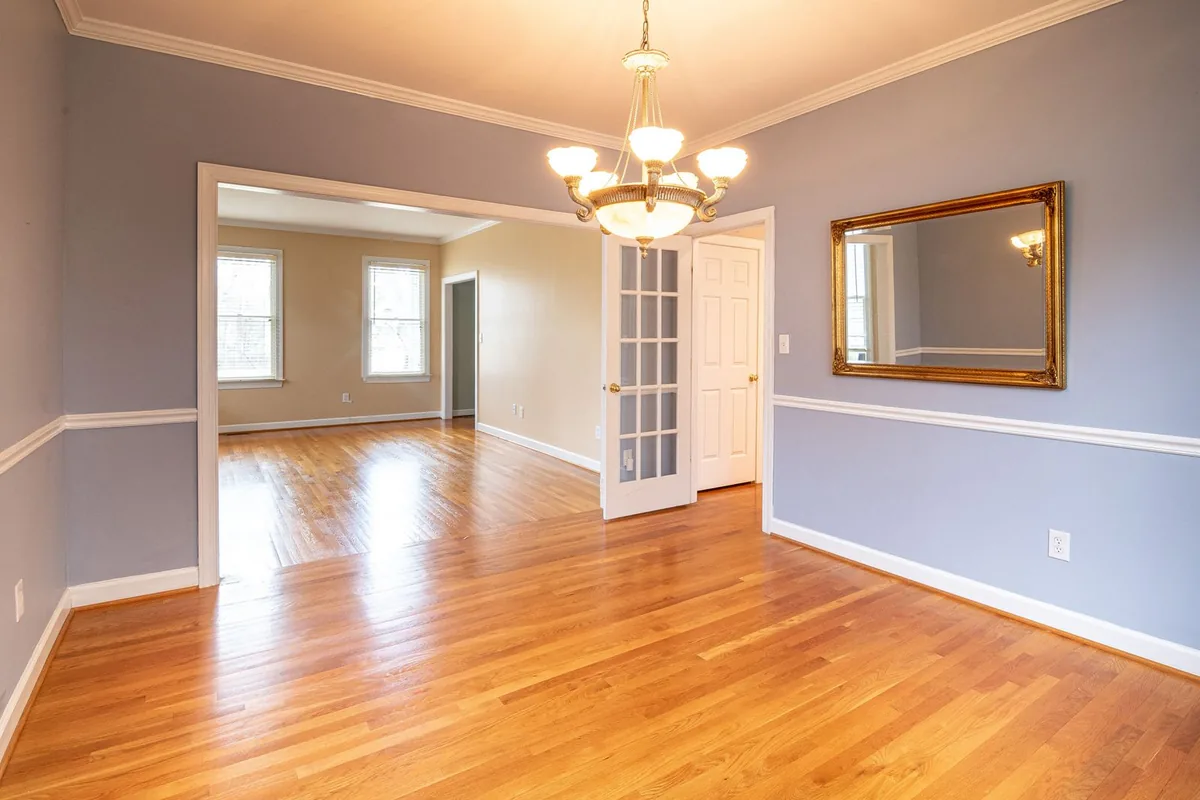
Removing tear gas from a house means more than opening windows. Fine particles settle on carpet, curtains, vents and furniture, and they can irritate again whenever they are disturbed.
Owners in Homewood call Homewood Biohazard Cleanup Help when irritant residue keeps a property from being used. You get cleanup technicians across Jefferson County, day or night, who explain each step in plain words.
Only about 10% of homes in Homewood are vacant, and most occupied buildings need quick cleanup so people can return. Whatever the season in Homewood, turn off the air system after an incident so it does not spread residue.
The work often covers:
The crew explains why water, vinegar and bleach are not the answer, and what the team will use instead.
Canisters, pellets, powder and contaminated debris are collected as hazardous waste and sealed.
Vents and ducts are cleaned or isolated, and filters are replaced where needed.
Filtered air machines clear fine particles, and the crew checks the space before anyone is allowed back in.
Expect tear gas & pepper spray cleanup in Homewood, AL to cost roughly $1,500 to $50,000, with the final price set after an on-site assessment.
Time matters. Residue that has sat for a while may have settled into fabrics and cracks, which takes more work to remove.
| Type of job | Typical range |
|---|---|
| Small apartment | $1,500 - $4,000 |
| Commercial property | $10,000 - $50,000+ |
| Single-family home | $3,000 - $10,000+ |
These ranges come from published cost guides (Tear gas cleanup cost guide) and are not a quote for Homewood. Price drivers include property size, air system involvement, materials affected, time since exposure. For a real number, call (877) 812-4220.
Do not hose it down or wipe it around. Particles and oil spread when disturbed. A professional crew uses protective gear, lifts residue from the surface and disposes of it as hazardous waste.
Glass, metal, sealed wood and plastic often clean well. Washable fabrics may be saved depending on the agent. Carpet, padding, foam and mattresses are harder, and some must be removed. The crew sorts items with you.
A small space can be finished quickly, while a whole building, or one where the air system ran, takes longer. The team gives a timeline after seeing the site. Keep the space closed until the work is done.
Rules for hazardous residue vary by state, county and city. Waste may need special handling and cannot always go in the regular trash. Ask the local health department or fire department what applies.
No. Water can spread residue or make irritation worse, and runoff can carry it into floors, walls and vents. Leave the area and keep others out, then call a cleanup team.
Tear gas and pepper spray are not ordinary germs or stains. Vinegar and bleach do not neutralize them, and mixing products can create dangerous fumes. Use fresh air and let a crew handle it.
Call any hour to ask what to do next.
Call (877) 812-4220